
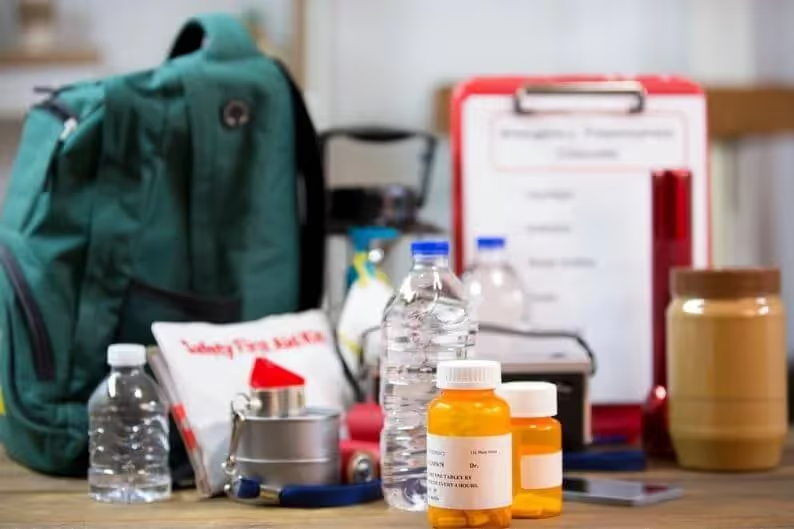
Hurricane preparedness for older adults is essential, especially for seniors living with chronic health conditions, mobility limitations, or disabilities. While hurricanes impact everyone, older adults face a higher risk during extreme weather events.
During Hurricane Katrina in 2005, more than 70% of those who lost their lives were over the age of 60, and nearly half of those deaths were linked to chronic or acute medical conditions. This highlights why having a strong hurricane preparedness plan for seniors is not optional—it is lifesaving.
When preparing for hurricane season, it is important to go beyond protecting your home. You must also protect your health, medications, and access to care.
How to Create a Hurricane Disaster Plan
Hurricane season runs from June 1 through November 30, with the highest risk typically occurring from August through early October. Because storms can develop quickly and intensify with little warning, early planning is critical.
While hurricanes are often associated with coastal regions, storm systems can affect large inland areas as well. That makes preparation important for older adults in many parts of the country—not just those near the coast.
Below are key steps older adults should take to prepare for a hurricane.
1. Build a Reliable Support Network
Severe storms can cause widespread power outages, damaged roads, and communication disruptions. Having a trusted support system in place is essential.
Your support network should include:
- Family members
- Friends
- Neighbors
- Caregivers or healthcare providers
Make sure everyone in your network:
- Knows your hurricane plan
- Has your updated contact information
- Knows where you will be during a storm
Keep a printed list of emergency contacts in an accessible location in case phones or internet service are unavailable.
2. Create a Medical Hurricane Preparedness Plan
Older adults often rely on daily medications and medical equipment, making this step one of the most important parts of hurricane preparedness.
Medication Preparation
Before a storm arrives:
- Refill all prescriptions early
- Keep at least 7 days’ worth of medications
- Include vitamins and supplements
- Stock over-the-counter essentials such as:
- Pain relievers
- Antacids
- Anti-diarrhea medication
- Allergy medication
Do not wait until the last minute, as pharmacies may close or experience shortages.
Medical Equipment Planning
If you use medical devices such as:
- Oxygen
- CPAP machines
- Nebulizers
Make sure you have:
- Backup batteries
- Charging options
- Generator access if possible
Contact your healthcare provider or medical supply company in advance to confirm emergency support options.
Important Medical Documents
Prepare a waterproof folder containing:
- Medical history
- Medication list
- Allergy information
- Physician contact details
- Insurance cards
3. Assemble a Hurricane Emergency Kit
Every older adult should have a hurricane emergency kit ready before storm season peaks.
Your kit should include at least three days of supplies, such as:
- Drinking water (1 gallon per person per day)
- Non-perishable food (canned goods, snacks)
- Manual can opener
- Flashlight with extra batteries
- Battery-powered or hand-crank radio
- First aid kit
- Extra eyeglasses
- Hearing aid batteries
- Blankets
- Personal hygiene items
- Whistle for emergencies
Keep your emergency kit in an easy-to-reach location.
4. Develop an Evacuation Plan
If authorities issue an evacuation order, follow it immediately. Never delay evacuation during a hurricane warning.
Your evacuation plan should include:
- Knowing your evacuation zone
- Identifying nearby shelters
- Understanding shelter options for medical needs or service animals
- Planning multiple evacuation routes
If you evacuate:
- Bring your emergency kit
- Take medications and medical supplies
- Carry important documents
- Bring personal items for comfort and safety
5. Stay Informed and Weather-Aware
Staying updated during hurricane season is critical. Monitor trusted sources such as:
- National Weather Service updates
- Local emergency management alerts
- Official county announcements
Act early when a storm approaches. Waiting too long can limit your options for safe evacuation or preparation.
6. Prioritize Health and Emotional Well-Being
Hurricanes can be stressful, especially for seniors managing health conditions. Having a clear plan in place helps reduce anxiety and uncertainty.
If you have concerns about your health, mobility, or ability to manage during a storm, speak with your healthcare provider in advance. Many primary care clinics can help you prepare a personalized emergency plan.
Stay Prepared with VIPcare
At VIPcare, we believe proactive care includes preparing for life’s unexpected challenges. Our providers are here to help older adults manage chronic conditions and stay safe during hurricane season and beyond.
If you are unsure whether your current health plan is hurricane-ready, contact your local VIPcare primary care provider today for guidance and support.