
As we get older, bone health becomes essential to maintaining independence and staying active. For adults 65 and older, strong bones help reduce the risk of fractures that can lead to serious health complications or limit mobility.
While bone loss is common with age, it’s important to know that osteoporosis is not an inevitable part of aging. With the right habits, you can slow bone loss, strengthen your bones, and continue doing the things you enjoy.
What Is Osteoporosis?
Osteoporosis is a condition that causes bones to become weak and brittle due to a loss of bone density and mass. It develops gradually when the body breaks down bone faster than it can rebuild it.
One of the biggest concerns is that osteoporosis often goes unnoticed until a fracture occurs. For seniors, even a minor fall can result in a serious injury, making prevention and early detection especially important.
Although it’s more common in women, men over 65 are also at risk and should not overlook their bone health.
Why Bone Health Matters
After age 65, natural changes in the body can accelerate bone loss. Hormone levels decline, calcium absorption becomes less efficient, and many people become less physically active. These changes can weaken bones over time and increase the risk of falls and fractures.
Strong bones support more than just your skeleton—they help you stay mobile, independent, and confident in your daily life. Protecting your bone health now can make a meaningful difference in how you feel and function in the years ahead.
Risk Factors for Osteoporosis
Several factors can increase your risk of developing osteoporosis. Some are unavoidable, like age and genetics, while others are related to lifestyle choices.
Common risk factors include:
- Being age 65 or older
- Postmenopausal hormone changes
- Low calcium or vitamin D intake
- Limited physical activity
- Smoking or frequent alcohol use
- Certain long-term medications
- Smaller body frame or family history of osteoporosis
Understanding your risk can help you and your provider take proactive steps toward prevention.
How Osteoporosis Is Diagnosed
If there are concerns about bone loss, your provider may recommend a bone density test, often called a DEXA scan. This quick and painless scan measures how strong your bones are and helps identify early signs of osteoporosis.
For many adults over 65, this test is an important part of routine preventive care.
Can You Improve Bone Density After 65?
Osteoporosis cannot be completely reversed, but that doesn’t mean there’s nothing you can do. In fact, many people can slow bone loss and improve bone strength with the right combination of lifestyle changes and medical support.
The goal is to protect the bone you have, strengthen it where possible, and reduce your risk of fractures.
Ways to Increase Bone Density After 65
Improving bone health doesn’t require drastic changes. Small, consistent habits can have a lasting impact over time.
Focus on Calcium and Vitamin D
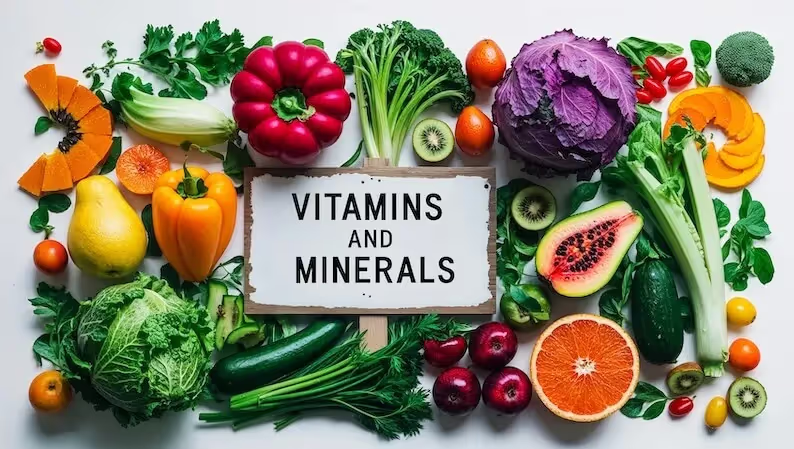
Calcium plays a key role in maintaining bone strength, while vitamin D helps your body absorb calcium more effectively.
You can support your intake by incorporating:
- Dairy products like milk, yogurt, and cheese
- Leafy greens such as kale, broccoli, and collard greens
- Fatty fish like salmon
- Fortified foods and beverages
If needed, your provider may recommend supplements to help you reach the right levels.
Stay Active with Weight-Bearing Exercise
Movement is one of the most effective ways to support bone health. Weight-bearing and resistance exercises help stimulate bone growth and improve strength.
Even moderate activity can make a difference. Try to include:
- Walking or light jogging
- Strength training with weights or resistance bands
- Balance exercises to help prevent falls
Aim for about 30 minutes of activity most days, choosing exercises you enjoy so you can stay consistent.
Eat a Balanced, Nutrient-Rich Diet
Your bones rely on more than just calcium. A well-rounded diet supports overall bone health and helps your body function at its best.
Focus on getting enough:
- Protein to support muscle and bone strength
- Vitamin K from leafy greens
- Magnesium from nuts, seeds, and vegetables
Avoid overly restrictive diets, as they can deprive your body of essential nutrients.
Reduce Habits That Weaken Bones
Certain lifestyle habits can speed up bone loss over time. Making a few changes can go a long way in protecting your bone health.
Consider:
- Quitting smoking if you currently smoke
- Limiting alcohol intake
- Staying consistent with movement and activity
These changes not only support your bones but also improve your overall health.
Prevent Falls at Home and On the Go
For seniors, preventing falls is just as important as strengthening bones. Even strong bones can be vulnerable during a fall.
Simple precautions include:
- Keeping walkways clear and well-lit
- Wearing supportive, non-slip shoes
- Using handrails when needed
- Staying active to maintain balance and coordination
When to Talk to a Provider
If you’re over 65, it’s a good idea to have regular conversations with your provider about your bone health. Even if you feel fine, early screening and guidance can help prevent future issues.
A personalized care plan can help you stay ahead of bone loss and maintain your independence longer.
Take Control of Your Bone Health
Aging doesn’t mean giving up strength or mobility. By making intentional choices each day, you can protect your bones and continue living life on your terms.
If you’re concerned about bone loss or want to take a proactive approach, schedule an appointment with a VIPcare provider today. We’re here to support your health—so you can stay strong, active, and confident.