
As you age, your body naturally goes through changes—including your organs. One of the most important steps you can take for better health is learning how to keep your kidneys healthy. These hardworking organs play a key role in filtering waste, balancing fluids, and keeping your body functioning properly every day.
Your kidneys are essential to living a long, healthy life. They quietly support many of your body’s most important processes, often without you even noticing. Taking small, proactive steps now can help protect your kidney function and support your overall well-being for years to come.
How Your Kidneys Work
Your kidneys may be small, but they do a big job. Blood flows into them through the renal artery, where it is filtered by up to a million tiny units called nephrons. Inside each nephron are even smaller structures called glomeruli, which act like strainers—removing waste, toxins, and extra fluid from your blood.
This process creates urine, which travels through the ureters to your bladder, where it is stored until your body is ready to release it. At the same time, your kidneys make sure important substances like protein and blood cells stay in your body by returning them to your bloodstream through the renal vein.
Because your kidneys do so much behind the scenes, it’s important to stay on top of your health with regular screenings. You may need more frequent kidney function tests if you have:
- A family history of kidney disease
- Diabetes
- Heart disease
- High blood pressure
- Obesity or overweight
- Regular use of certain medications
Tips to Keep Your Kidneys Healthy
As we get older, the risk of kidney disease increases—but the good news is that healthy habits can go a long way. Making small, consistent changes in your daily routine can help protect your kidneys and support your overall health.
1. Eat a Kidney-Friendly Diet
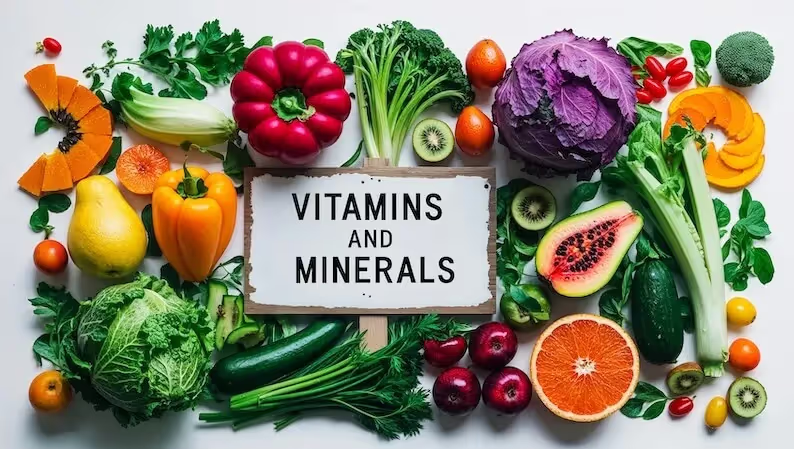
What you eat has a direct impact on your kidney health. A balanced diet filled with fruits, vegetables, whole grains, and lean proteins gives your body the nutrients it needs while reducing the strain on your kidneys.
At the same time, limiting salt, processed foods, and unhealthy fats can help prevent high blood pressure and weight gain—two major risk factors for kidney disease. Even simple swaps, like choosing fresh foods over packaged options, can make a meaningful difference over time.
2. Monitor Your Blood Pressure
High blood pressure (hypertension) is one of the leading causes of kidney disease, and it often develops without noticeable symptoms. That’s why regular monitoring is so important, especially for seniors.
A healthy blood pressure reading is around 120/80, while consistent readings of 140/90 or higher may put extra strain on your kidneys. Keeping your blood pressure in a healthy range helps protect the delicate blood vessels inside your kidneys and supports long-term function.
3. Be Careful with Over-the-Counter Medications
Many common pain relievers, including ibuprofen and naproxen, belong to a group of medications called NSAIDs. While they can be helpful for short-term relief, frequent or long-term use can reduce blood flow to the kidneys and increase the risk of damage.
Occasional use is generally safe for most people, but it’s important to follow recommended guidelines and avoid overuse. If you find yourself needing these medications regularly, it’s a good idea to talk with your provider about safer options for managing pain.
4. Stay Active
Regular physical activity plays an important role in protecting your kidneys. Exercise helps lower blood pressure, improve circulation, and reduce the risk of conditions like diabetes and heart disease, which are closely linked to kidney problems.
The good news is that staying active doesn’t have to be intense or overwhelming. Simple activities like walking, light stretching, or even gardening can have real health benefits. The key is to find something you enjoy and can stick with consistently.
5. Don’t Smoke
Smoking affects nearly every part of your body, including your kidneys. It damages blood vessels and reduces blood flow, making it harder for your kidneys to do their job effectively. Over time, this can increase your risk of kidney disease and other serious health conditions.
Quitting smoking may feel challenging, but it’s one of the most powerful steps you can take to improve your health. Even small progress toward quitting can have a positive impact on your kidneys and overall well-being.
6. Stay Hydrated
Drinking enough water is one of the simplest ways to support your kidneys. Proper hydration helps your body flush out toxins, reduce sodium levels, and prevent kidney stones. When you don’t drink enough fluids, your kidneys have to work harder to filter your blood.
Most seniors should aim for about 1.5 to 2 liters of water per day, but individual needs can vary based on your health and lifestyle. Talking with your provider can help you determine the right amount for your body.
7. Get Regular Kidney Screenings
One of the biggest challenges with kidney disease is that it often develops without early warning signs. By the time symptoms appear, the condition may already be advanced. That’s why routine screenings are so important—especially if you’re at higher risk.
Simple blood and urine tests can give your provider valuable insight into how well your kidneys are working. Early detection allows for better management and can help prevent long-term damage.
Take Charge of Your Kidney Health
More than 1 in 7 adults in the United States are living with chronic kidney disease, often without realizing it. The good news is that with the right care and early intervention, you can take meaningful steps to protect your health and maintain your quality of life.
At VIPcare, we focus on preventive, senior-centered care designed to help you stay ahead of conditions like kidney disease. Our providers take the time to understand your needs, monitor your health, and guide you with personalized care every step of the way.
Your health matters—and your kidneys do too. Schedule an appointment with a VIPcare provider near you.