As we age, our nutritional needs change. The body naturally absorbs nutrients differently over time, while changes in bone density, muscle mass, metabolism, and immune function can affect overall health. Eating a balanced diet rich in key vitamins and minerals can help support healthy aging, maintain independence, and reduce the risk of certain age-related health concerns.
If you’ve ever wondered, “What are the best vitamins for seniors?” or “Which nutrients support healthy aging?”, these six essential vitamins and minerals are a great place to start.
Why Are Vitamins and Minerals Important for Older Adults?
Vitamins and minerals help support nearly every function in the body, including:
- Strong bones and muscles
- Brain and memory health
- Heart health
- Immune function
- Energy production
- Healthy aging and disease prevention
While a nutritious diet is the best way to get essential nutrients, older adults may be at higher risk for deficiencies due to changes in appetite, digestion, medications, or certain health conditions.
1. Magnesium: Supports Muscles, Nerves, and Heart Health
Magnesium is involved in more than 300 processes in the body. It helps maintain healthy muscles, supports nerve function, regulates blood pressure, and contributes to strong bones.
Low magnesium levels are common in older adults and may contribute to muscle cramps, fatigue, and weakness.
Foods Rich in Magnesium
- Spinach and kale
- Almonds and pumpkin seeds
- Whole grains
- Salmon and mackerel
- Beans and legumes
Getting enough magnesium may help support heart health, bone strength, and muscle function as you age.
2. B Vitamins: Essential for Brain Health and Energy
B vitamins—including vitamins B6, B9 (folate), and B12—play an important role in energy production, red blood cell formation, and healthy brain function.
Vitamin B12 deficiency becomes more common with age because the body may absorb it less efficiently.
Foods Rich in B Vitamins
- Whole grains
- Eggs
- Dairy products
- Lentils and chickpeas
- Tuna and trout
Adequate B vitamin intake may support memory, cognitive health, and healthy nerve function.
3. Calcium: Helps Maintain Strong Bones
Calcium is one of the most important nutrients for healthy bones and teeth. As people age, bone density naturally decreases, increasing the risk of osteoporosis and fractures.
Pairing calcium with regular physical activity and vitamin D can help support lifelong bone health.
Foods Rich in Calcium
- Milk, yogurt, and cheese
- Fortified plant-based milk
- Broccoli
- Bok choy
- Calcium-fortified foods
Maintaining healthy calcium levels can help older adults stay active and independent.
4. Vitamin D: Supports Bones, Muscles, and Immunity
Vitamin D helps the body absorb calcium and plays a role in muscle strength, immune health, and reducing inflammation.
Many older adults have low vitamin D levels due to less sun exposure and changes in how the body processes this nutrient.
Foods Rich in Vitamin D
- Salmon and mackerel
- Egg yolks
- Fortified milk and cereals
- Fortified plant-based beverages
Getting enough vitamin D may help reduce the risk of falls, fractures, and weakened muscles.
5. Omega-3 Fatty Acids: Good for the Heart and Brain
Omega-3 fatty acids, especially EPA and DHA, help reduce inflammation and support heart, brain, and joint health.
Research suggests omega-3s may help support memory and healthy aging while promoting cardiovascular wellness.
Foods Rich in Omega-3s
- Salmon
- Sardines
- Mackerel
- Walnuts
- Chia seeds
- Flaxseeds
Including omega-3-rich foods regularly may support overall health and longevity.
6. Zinc: Helps Strengthen the Immune System
Zinc is an essential mineral that supports immune function, wound healing, and healthy cell growth. It also helps maintain the senses of taste and smell, which may change with age.
Foods Rich in Zinc
- Oysters and crab
- Beef and chicken
- Chickpeas and lentils
- Pumpkin seeds
- Cashews
Getting enough zinc may help older adults maintain a strong immune system and support the body’s natural healing process.
Frequently Asked Questions About Vitamins for Healthy Aging
What are the most important vitamins for seniors?
Some of the most important nutrients for older adults include magnesium, B vitamins, calcium, vitamin D, omega-3 fatty acids, and zinc. These nutrients support bone health, brain function, heart health, muscle strength, and immunity.
Should older adults take vitamin supplements?
Some people may benefit from supplements, especially if they have nutrient deficiencies or certain health conditions. However, it is important to talk with a healthcare provider before starting any supplement.
What is the best way to get vitamins and minerals?
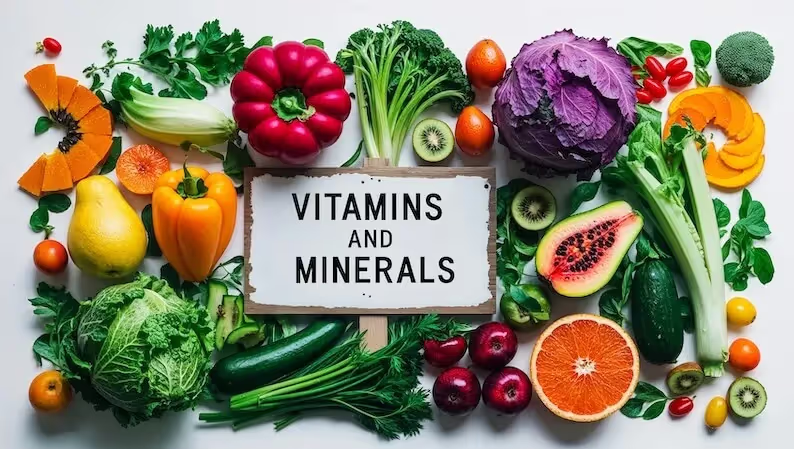
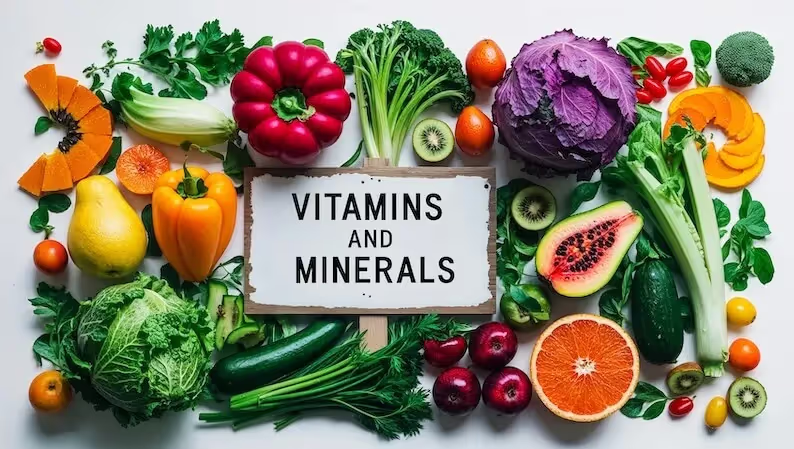
A balanced diet rich in fruits, vegetables, lean proteins, whole grains, dairy, nuts, seeds, and healthy fats is the best source of nutrients for most people.
Tips for Healthy Aging Through Nutrition
Simple steps can make a big difference:
✔ Eat a variety of colorful fruits and vegetables
✔ Include lean proteins and whole grains
✔ Choose foods rich in calcium and vitamin D
✔ Eat heart-healthy fats like omega-3s
✔ Stay hydrated
✔ Discuss supplements with your healthcare provider
Healthy aging starts with good nutrition. Small changes to your daily habits can support stronger bones, a healthier heart, better brain function, and improved quality of life.
At VIPcare, our providers take the time to understand your unique health needs and help you create a personalized plan for healthy aging. Schedule an appointment today and take an active role in your health and wellness.