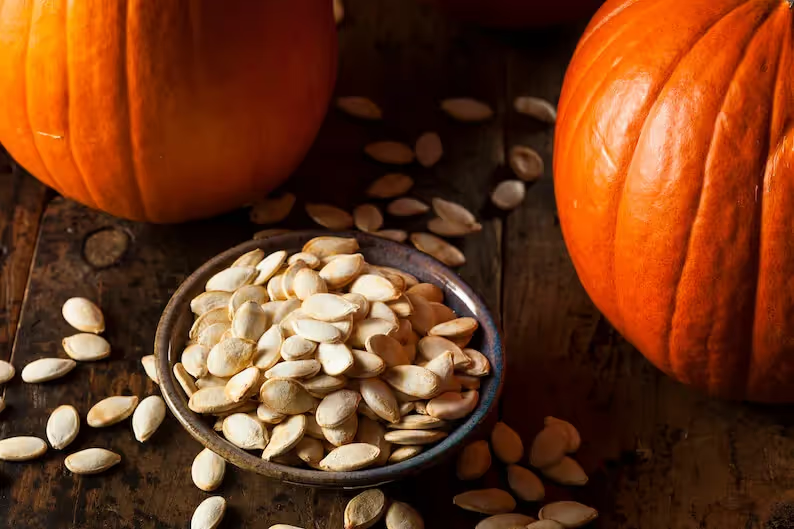
Fall brings cooler temperatures, colorful leaves, and plenty of pumpkin-inspired treats. But before you toss the seeds from your Halloween pumpkin, consider saving them for a nutritious, homemade snack!
Pumpkins are a seasonal favorite for good reason. Their flesh provides nutrients such as vitamin A, vitamin C, and fiber, while their seeds offer a different set of nutritional benefits. With a little olive oil, your favorite seasonings, and a few minutes of preparation, you can turn fresh pumpkin seeds into a crunchy snack the whole family can enjoy.
Whether you prefer something savory, spicy, or sweet, these four roasted pumpkin seed recipes make it easy to enjoy a seasonal favorite while adding more nutrient-rich foods to your diet.
What Are the Health Benefits of Pumpkin Seeds?
Pumpkin seeds, sometimes called pepitas, are packed with nutrients that support overall health. They contain protein, healthy unsaturated fats, magnesium, zinc, and other important minerals.
Here are a few reasons to add pumpkin seeds to your snack rotation.
1. Support Heart Health
Pumpkin seeds contain magnesium and unsaturated fats, both of which play a role in heart health. Magnesium helps regulate blood pressure and supports normal muscle and nerve function. Replacing snacks high in saturated fat with foods containing unsaturated fats can also support a heart-healthy eating pattern.
2. Provide Plant-Based Protein
Looking for a simple way to add more protein to your day? Pumpkin seeds provide plant-based protein that helps maintain muscles and supports normal body functions. Pair them with fruit, yogurt, or a small handful of nuts for a satisfying snack.
3. Support Healthy Bones and Muscles
Pumpkin seeds provide magnesium, a mineral that supports muscle function, nerve signaling, and bone health. Getting enough magnesium is important at every age, including during the senior years.
4. Help Support Immune Function
Pumpkin seeds contain zinc, which helps the immune system function properly. Zinc also plays a role in wound healing and cell growth. Eating a varied diet that includes zinc-rich foods can help you meet your daily nutritional needs.
5. Provide Antioxidants
Pumpkin seeds contain vitamin E and other antioxidant compounds that help protect cells from damage caused by free radicals. Antioxidants are part of a balanced diet that supports overall health as we age.
6. Support Healthy Digestion
Whole pumpkin seeds with their shells provide fiber, which helps support regular bowel movements and digestive health. Shelled pumpkin seeds, or pepitas, also offer valuable nutrients, although their fiber content differs from that of whole seeds.
A simple tip: Pumpkin seeds are nutritious, but portion size still matters. They are relatively calorie-dense because they contain healthy fats, so a small handful can be a satisfying snack.
How to Roast Pumpkin Seeds in the Oven
Roasting pumpkin seeds is an easy way to make use of your Halloween pumpkin instead of throwing the seeds away. The key to crispy, flavorful seeds is cleaning them well and drying them before baking.
Roasted Pumpkin Seeds Recipe
Ingredients (for all flavors)
- 1/2 cup of raw pumpkin seeds, rinsed and dried
- 1 teaspoon olive oil or avocado oil
Flavor 1: Classic Sea Salt
Keep it simple with this traditional roasted pumpkin seed recipe.
- 1/2 teaspoon sea salt
Flavor 2: Ranch Roasted Pumpkin Seeds
Enjoy the familiar savory flavor of ranch seasoning without needing a store-bought seasoning packet.
- 1/2 teaspoon sea salt
- 1/4 teaspoon onion powder
- 1/4 teaspoon parsley
- 1/4 teaspoon garlic powder
- 1/4 teaspoon dill
- 1/8 teaspoon dry mustard
- 1/8 teaspoon celery seed
- 1/8 teaspoon paprika
- 1/8 teaspoon black pepper
Shortcut: Use your favorite ranch seasoning blend instead of the individual spices. Check the label before adding extra salt.
Flavor 3: Cinnamon Sugar Roasted Pumpkin Seeds
For a sweet, cozy fall snack, try this cinnamon-sugar combination.
- 1 tablespoon brown sugar
- 1/2 teaspoon cinnamon
- Pinch of salt
Flavor 4: Spicy Roasted Pumpkin Seeds
If you enjoy a little heat, this bold combination adds a smoky, spicy kick.
- 1/2 teaspoon sea salt
- 1/2 teaspoon smoked paprika or chili powder
- 1/4 teaspoon garlic
- 1/4 teaspoon cayenne powder
Directions for Roasting Pumpkin Seeds
- Preheat oven to 300 degrees. Line a baking sheet with parchment paper.
- Remove the seeds from the pumpkin and clean off any pumpkin debris. Rinse with water and pat dry with a clean towel.
- In a small bowl, mix together your seasoning mixture of choice if using.
- Toss the dry pumpkin seeds in olive oil, then add the seasoning mixture. Make sure all seeds are well-coated.
- Spread pumpkin seeds onto the prepared baking sheet, making sure they are in one even layer.
- Roast in preheated oven for 20-30 minutes, stirring every 10 minutes, or until the pumpkin seeds are golden brown.
- Remove and let cool before snacking!
Frequently Asked Questions
Are pumpkin seeds healthy?
Yes. Pumpkin seeds provide protein, unsaturated fats, magnesium, zinc, and other nutrients that support heart health, muscle function, immune function, and overall well-being. They are also calorie-dense, so enjoying a moderate portion is a good approach.
Should I eat pumpkin seeds with or without the shells?
Both options can fit into a balanced diet. Whole pumpkin seeds with their shells provide more fiber, while shelled pumpkin seeds, commonly called pepitas, are softer and easier to eat. Choose the option you enjoy and can comfortably chew.
How long should I roast pumpkin seeds?
At 300°F, pumpkin seeds typically take 20–30 minutes to roast. Stir them every 10 minutes and check for a golden color and crisp texture. Wetter seeds may take longer.
How should I store roasted pumpkin seeds?
Allow the seeds to cool completely, then store them in an airtight container in a cool, dry place. For the best flavor and texture, eat them within about one to two weeks and discard them if they develop an unusual smell or appearance.
Can I eat pumpkin seeds every day?
For most people, pumpkin seeds can be part of a balanced daily diet. A small handful is a convenient snack, but individual nutritional needs vary. If you have specific dietary restrictions or health concerns, ask your healthcare provider for personalized guidance.