
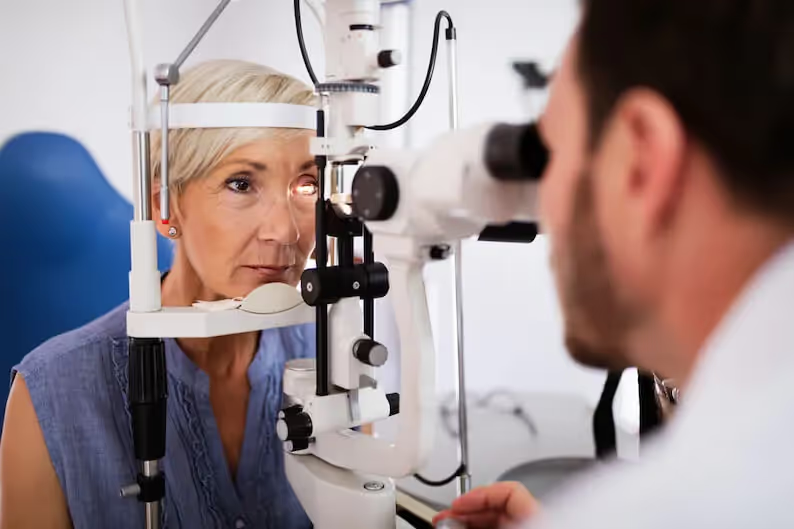
Glaucoma is one of the leading causes of blindness worldwide and a major concern for senior eye health. And although it can affect people of all ages, older adults tend to be at a greater risk of developing it. Glaucoma in older adults often has no visual signs or symptoms, leading it to be called "the silent thief of sight."
Our vision is something we take for granted almost every day. It isn't until we begin to have difficulty with our eyesight that we realize just how dependent we are on this sense. Sure, many of us may have had to get glasses at a young age or as we got older, but the spectacles fixed our eye problem. Once we put on our glasses or pop in our contacts, we go about our day as if all is fine.
Unfortunately, there isn't an easy fix for more serious eye diseases, such as glaucoma, a progressive eye condition that can permanently damage vision if left untreated, and which can't be easily ignored. If left untreated, glaucoma can result in irreversible vision loss and blindness, especially in older adults.
What is Glaucoma?
Glaucoma is a progressive eye disease that, over time, damages your eye's optic nerve. Your optic nerve is responsible for conveying sight information to the brain. Glaucoma develops when intraocular fluid fails to circulate properly. This results in a buildup of fluid, causing pressure to increase inside the eye, a condition known as elevated intraocular pressure.
There are several types of glaucoma, but many ophthalmologists group the disease into two main types: open-angle glaucoma and angle-closure glaucoma.
Open-Angle Glaucoma
Open-angle glaucoma is the most common form of glaucoma and accounts for nearly 90% of all glaucoma cases. Open-angle glaucoma occurs when the angle where the iris (the colored part of your eye) meets the cornea is as wide and open as it should be. This type of glaucoma causes pressure to build gradually over time, making early detection difficult without regular eye exams.
Angle-Closure Glaucoma
Angle-closure glaucoma, also called narrow-angle or acute glaucoma, is when the outer edge of the iris blocks fluid from draining out of the front of the eye. This results from the angle between the iris and cornea closing. When this occurs, fluid builds up quickly, and there's a sudden rise in intraocular pressure. Angle-closure glaucoma is a medical emergency and demands immediate medical attention.
Signs and Symptoms of Glaucoma in Older Adults
Unfortunately, glaucoma doesn't usually have many early signs or symptoms. With open-angle glaucoma, the pressure develops slowly, so any changes in eyesight don't become evident for many years. However, as the disease progresses, blind spots may begin to appear, and a loss in your peripheral vision can occur. This gradual vision loss is one of the most common glaucoma symptoms in seniors. That's why it's important to have regular comprehensive eye exams, especially for adults over 60, so your eyes can be dilated and tested for any unusual pressure or damage.
With angle-closure glaucoma, there's a possibility that you may experience some warning signs and symptoms. Early symptoms of an attack include blurred vision, halos, mild headaches, or eye pain. If you experience any of these warning signs, you should schedule an appointment with your ophthalmologist right away.
Symptoms of an acute angle-closure glaucoma attack include:
· severe pain in the eye or forehead
· redness of the eye
· decreased vision or blurred vision
· seeing rainbows or halos
· headache
· nausea
· vomiting
If you experience any of these symptoms, you should seek medical attention immediately. If left untreated, angle-closure glaucoma can result in blindness within days.
Who Is Most at Risk for Developing Glaucoma?
As we mentioned earlier, anyone can get glaucoma, but older adults face a significantly higher risk. Your risk of developing glaucoma increases with age, and adults over the age of 60 are six times more likely to develop the disease.
Having a family history of glaucoma also puts you at a greater risk. Ethnicity is another important risk factor, with African American, Hispanic, and Asian populations having a higher likelihood of developing glaucoma. African Americans are six to eight times more likely to develop glaucoma than Caucasians, while individuals of Asian descent are at a greater risk for angle-closure glaucoma.
Chronic conditions such as diabetes and high blood pressure, along with long-term steroid use, can also increase your risk. Managing chronic health conditions is an important part of protecting long-term eye health in seniors
How Is Glaucoma Treated?
The most effective treatment for glaucoma is early detection and ongoing management. While damage caused by glaucoma cannot be reversed, early treatment can significantly slow progression and help preserve remaining vision. Doctors typically rely on three methods to treat glaucoma: prescription medications, laser treatment, and surgical procedures.
Prescription eye drops are often the first line of treatment and work by either reducing fluid production in the eye or improving fluid drainage. Laser treatments may be used alongside eye drops to enhance fluid outflow and reduce eye pressure. These procedures are often performed in-office and are highly effective for many patients.
For advanced cases, glaucoma surgery may be recommended to relieve eye pressure by creating new drainage pathways. While effective, surgery carries higher risks and is usually considered after other treatments have been exhausted.
For more severe cases or if other treatments were unsuccessful, surgery may be performed to relieve pressure by helping to drain the fluid. However, surgery is more aggressive and comes with an increased risk of complications.
Can Glaucoma Be Prevented?
While glaucoma cannot always be prevented, vision loss from glaucoma can often be minimized with proactive care and early diagnosis. Prevention focuses on reducing risk factors and protecting overall eye health.
Regular physical activity can help manage diabetes and high blood pressure, which are known risk factors for glaucoma. Wearing protective eyewear during sports or home projects can prevent eye injuries that may contribute to glaucoma later in life.
Most importantly, routine eye exams are the key to preventing glaucoma-related blindness, especially for older adults. Speak with your doctor or eye care provider if you have concerns about your vision or notice any changes in your eyesight.
Glaucoma is a serious eye disease, but early detection, consistent treatment, and preventive care can help older adults maintain healthy vision and independence.
Protect your vision and your overall health with care that puts you first. Schedule an appointment with VIPcare today